Small upgrades and smart energy practices can help reduce operating costs, improve guest comfort, and make your property more efficient. Consider these energy-saving strategies:
- Install a smart Wi-Fi thermostat. Set temperature limits to help prevent excessive cooling while maintaining a comfortable environment for guests. Locking the lowest temperature setting can help manage energy use and avoid unnecessary costs.
- Replace air conditioning filters regularly. Check and change A/C filters monthly to help your system run more efficiently, improve indoor air quality, and extend equipment life.
- Upgrade to LED lighting. Replace traditional bulbs with energy-efficient LED lighting throughout your property to reduce energy consumption and maintenance needs.
- Install motion-activated lighting controls. Use occupancy sensors in common areas, hallways, and other low-traffic spaces to ensure lights are only on when needed.
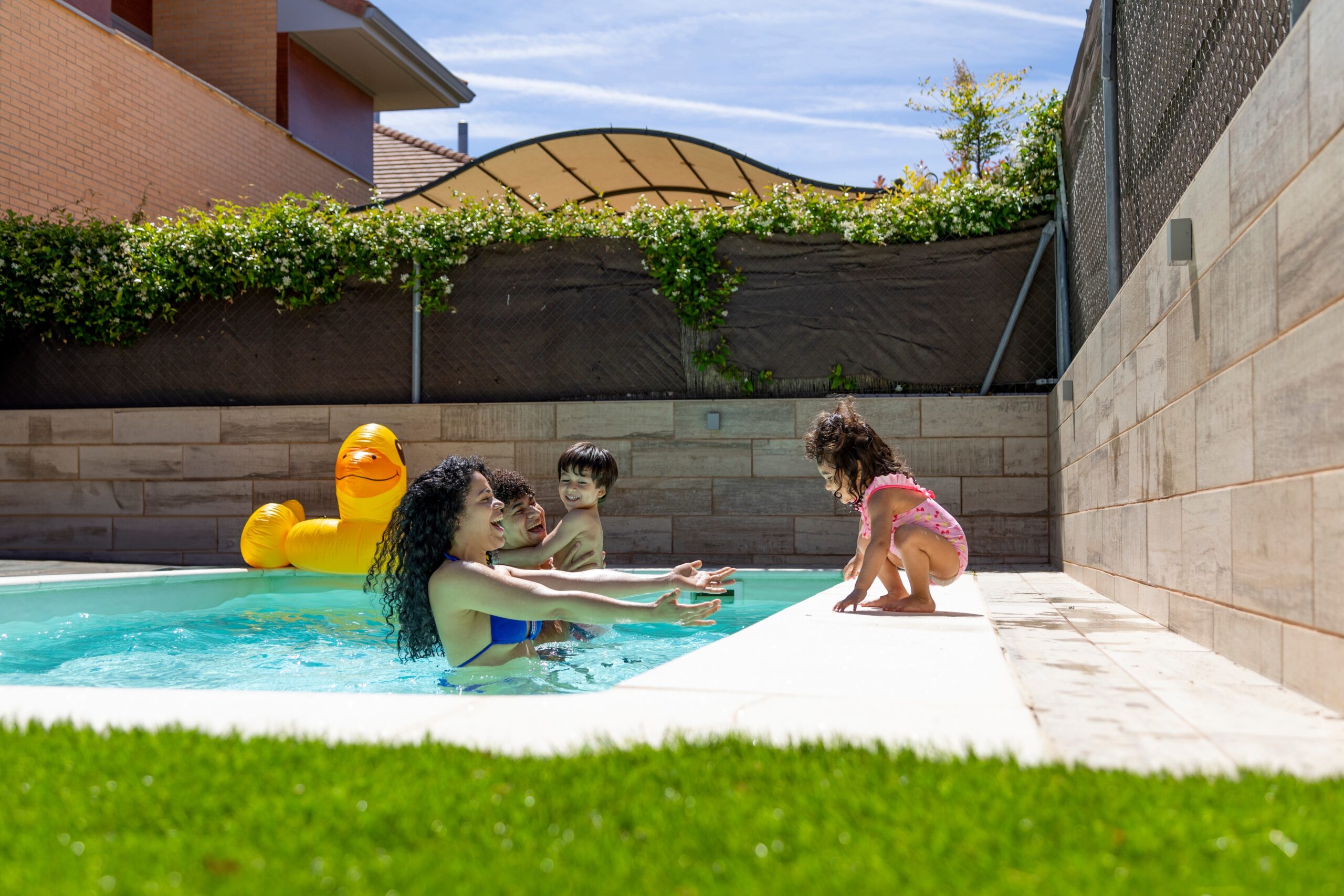
- Optimize pool and spa heating settings. Set pool and spa heaters to the lowest comfortable temperature and consider controls that limit unnecessary heating when the property is unoccupied.
- Upgrade to a hybrid heat pump water heater. These highly efficient systems can significantly reduce water heating costs. For existing water heaters, set the temperature no higher than 120°F for energy savings and safety.
- Install door closers on exterior doors. Spring-loaded door closers can help prevent conditioned air from escaping when guests leave doors open, reducing strain on your cooling system.
- Install low-flow showerheads and faucet aerators. These fixtures reduce water use while also lowering energy costs associated with heating hot water.
A more energy-efficient rental doesn’t just save money; it creates a more comfortable experience for guests while helping protect our community’s resources.